
Beer Analysis (Cheers!)
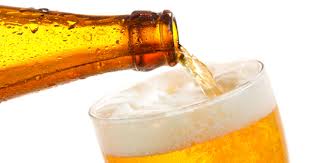
To ensure consistent quality throughout the brewing process, breweries like Sierra Nevada, MillerCoors/MolsonCoors, Anheuser-Busch, and Boston Brewing Co. have relied on stringent standards. Tight quality controls, established by these breweries, have dramatically reduced the chances of a customer getting a poor batch, which is quite amazing considering how many types of beers there are and the volume that are produced annually.
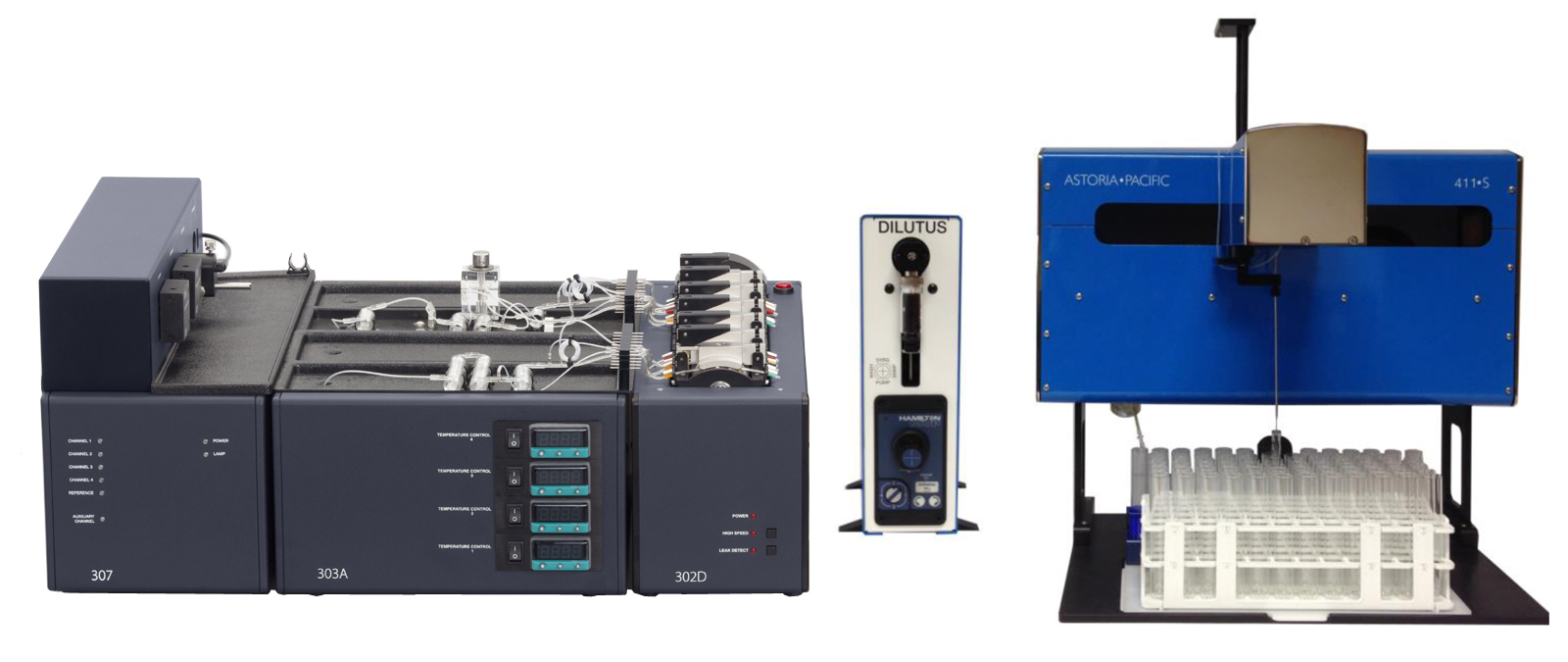
Astoria Analyzer w/411S XYZ Sampler and 412 Diluter
Pale lagers, pilsners, ales, IPAs, stouts, and other beers have different concentrations of bitterness, free amino nitrogen, β-glucans and other constituents that can affect taste, color, smell and even shelf life. Astoria-Pacific’s analyzers use methods that have been established by the ASBC to accurately monitor such parameters. For example, Bitterness and other constituents can be tested on our analyzers to make sure that a batch of a particular label is within the limits established by the brewery. Without proper monitoring, the Brewer may have to scrap an entire batch! Such a scenario is what our analyzers help to avoid: identifying problems early on before ingredients, valuable product, and precious hours of labor are wasted.
Today’s modern breweries rely heavily on quality control, and it’s imperative that they monitor the process from start to finish.
Ask an Astoria-Pacific representative for the best system for your laboratory.
| Test | Range | %RSD |
| Alpha Amylase | 1 – 100 DU | 8.65 – 1.41 |
| Beta-Glucan | 5 – 200 ppm | 3.15 – 1.92 |
| Bitterness | 0 – 50 BU | 1.61 – 1.30 |
| Diastatic Power | 10 – 180 degrees | 0.69 – 0.33 |
| Free Amino Nitrogen | 5 – 300 ppm/L as N | 2.67 – 0.99 |
| Total Sulfite | 0.5 – 10 mg/L | 3.92 – 5.71 |
rAPID-T
The rAPID-T System offers a significant level of automation with very little daily or yearly maintenance. Using established reagent kits from well known manufacturers, the rAPID-T provides you with fast, reliable data day in and day out.
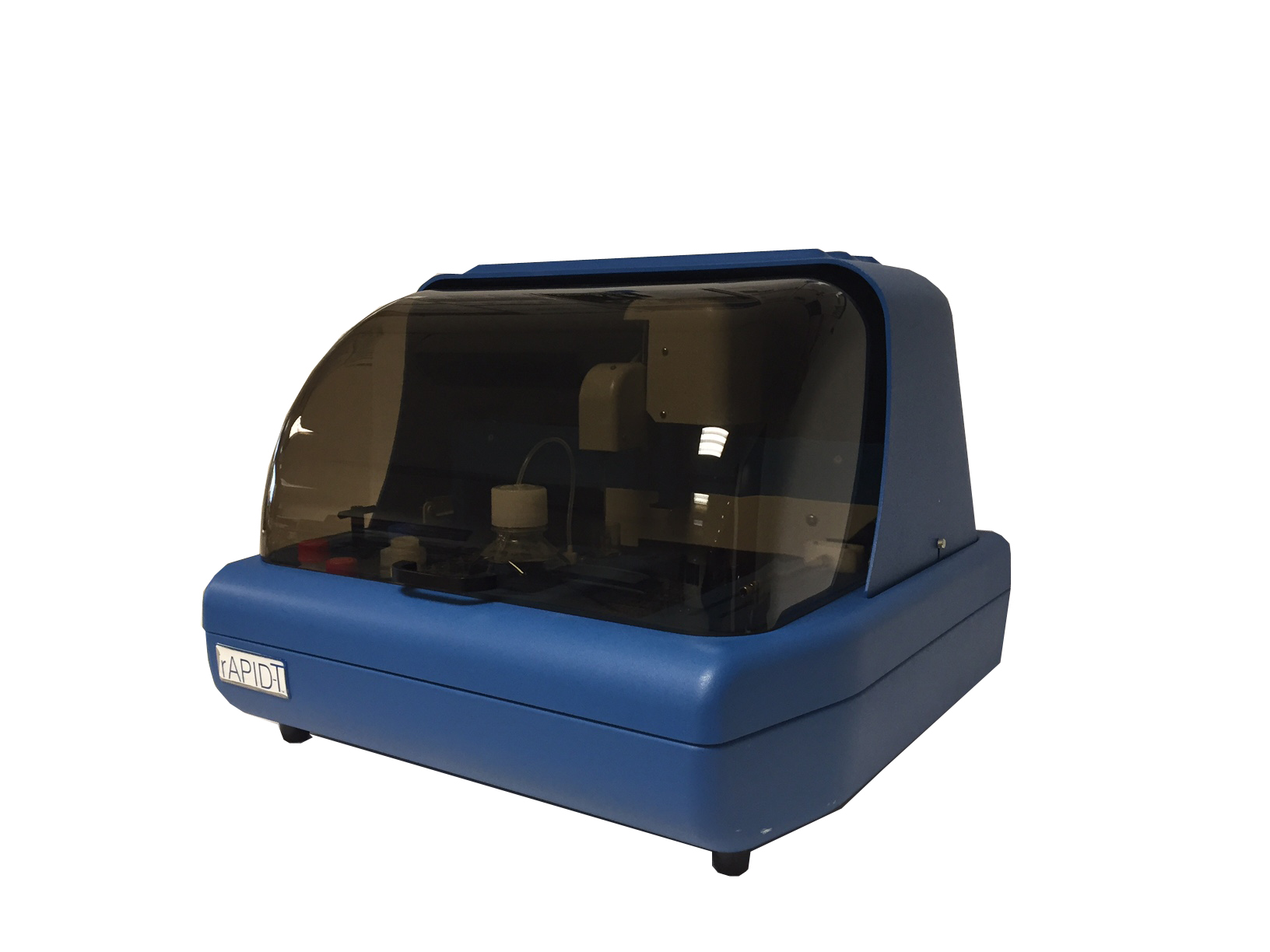
The rAPID-T is a fully automated analyzer for the analysis of Ammonia, NOPA (FAN) and Total Sulfites. It is a very affordable system and can be used in a brewery of any size.
 Contact Us @ (800) 536-3111